
BOOKS FROM THE EMMAUS TABLE
-
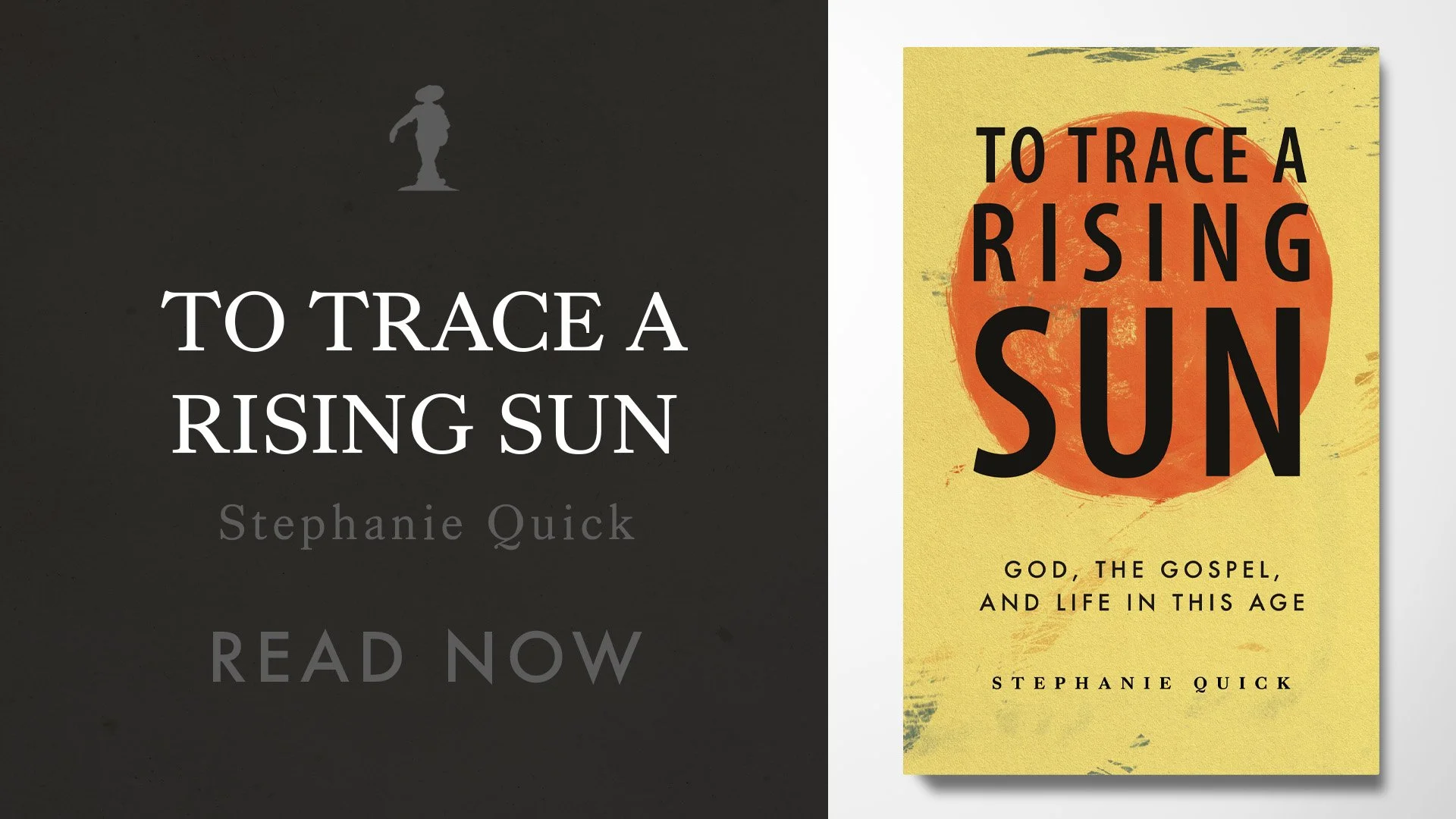
To Trace a Rising Sun (S. Quick)
A meditation on the point and purpose of creation in this age; if men and women bear the Image of the Holy, then the Gospel of the Kingdom matters for our minutes and decisions. But we must understand the whole story, beginning to end. Consider what you’re made for, called to, and how the story of your life fits into the wild and beautiful story of eternity. As Charles Spurgeon once said so well, “If Christ be anything, He must be everything”—and if that’s true, He means and changes everything.
-

Eschatology in the Psalms (N. Boyadjiev)
Ever since David first formed a chorus on the back hills of Bethlehem, the psalms have forged the prayer lives of millions of people across the world for millennia. For all their popularity, the psalms are some of the best-known and most-quoted literature worldwide. These songs, these laments, these petitions and gut-wrought intercessions capture language for men and women no matter their ethnicity, heart language, or culture of origin. They breathe life into our most sacred occupation: fellowship with our Maker. Yet they also tell a cohesive story; they tell His story—from the Garden to the City of God, the collision of the seed of the woman and the seed of the serpent, and the ultimate, restorative victory of the Son of Man. The eschatology of the psalms, their revelation of the end of this age and coming regeneration, is a critical interpretation of the text, yet this has been lost—to our detriment.
-
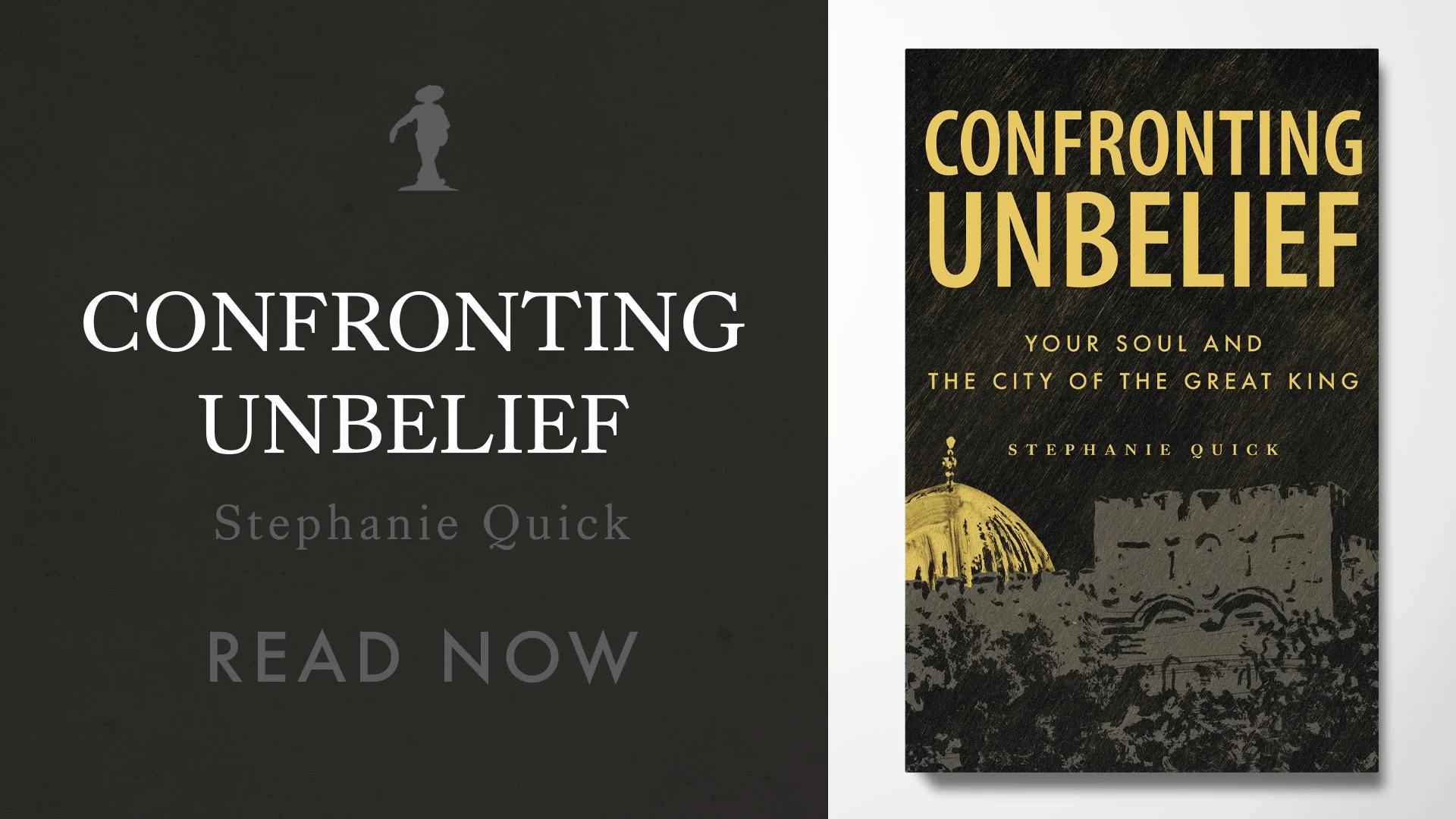
Confronting Unbelief (S. Quick)
In His kindness, the LORD has given us a living object lesson to calibrate our emotions and beliefs to the eternal truths of Scripture. The “City of the Great King” serves us with her testimony. The nations have a controversy with Jerusalem. The Church has a controversy with Jerusalem. Satan has a controversy with Jerusalem. God Himself has a controversy with Jerusalem. Yet she is the chosen throne for David’s Son, and the last time Jesus saw her, He wept.
She has always been complicated.
Incidentally, so have we.
-
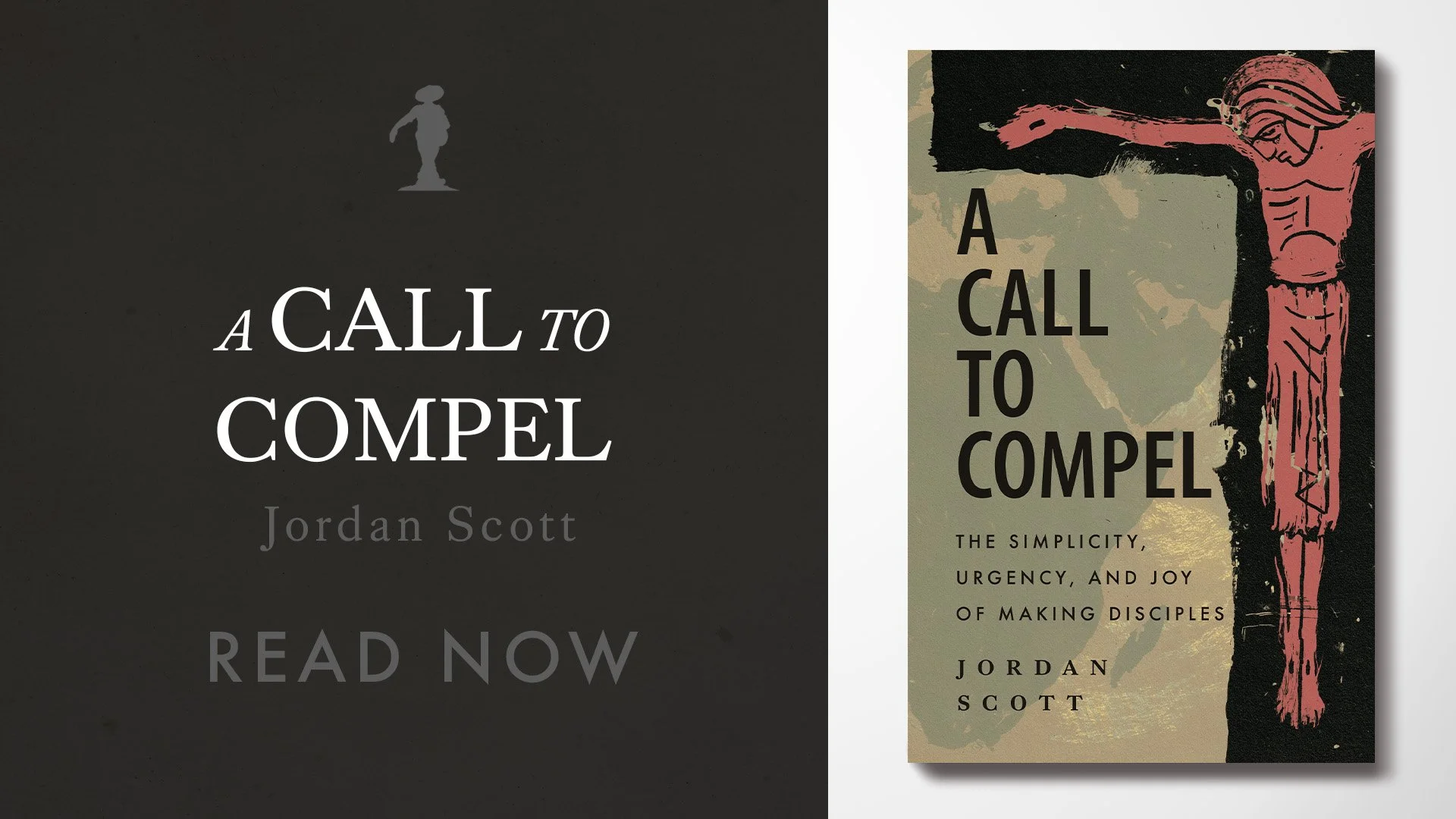
A Call to Compel (J. Scott)
When it comes to making disciples, our role is straightforward: we simply obey the commands of our Master. Jesus likened the Kingdom of heaven to a King who put on a wedding banquet for his son—and sent his servants to tell those who were invited that the feast was ready. It's a parable, but it describes in a real way what the Lord is doing to draw people to Himself: Jesus sends those who already belong to Him to bear witness to those who do not yet know Him and invite them to the Marriage Supper of the Lamb in the age to come. Our task is simple. Our work is urgent. And our obedience to Jesus is the path to our own joy.
-
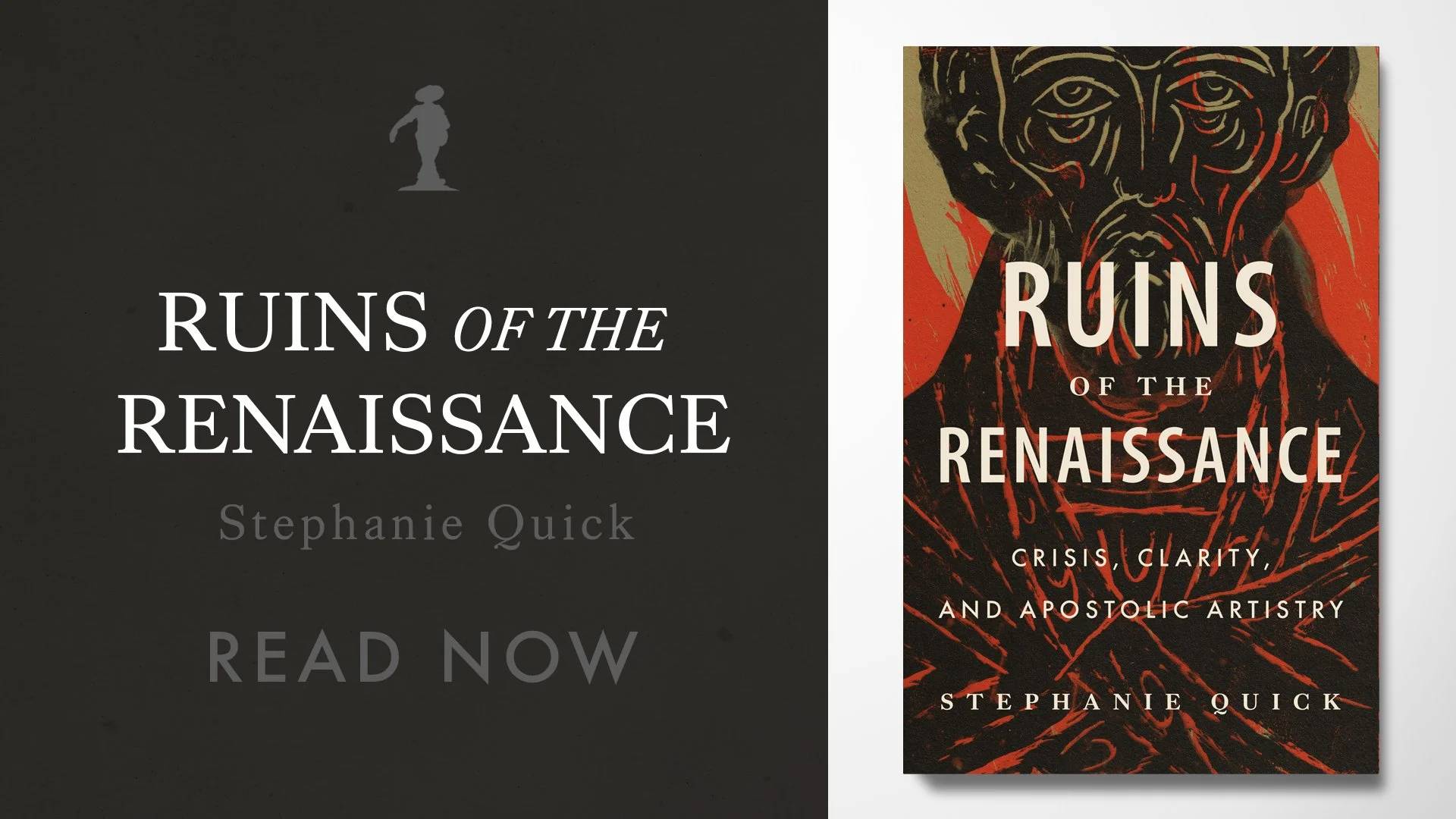
Ruins of the Renaissance (S. Quick)
The Reformation would not have been possible if it were not for the Renaissance. Out of the ashes of the Black Death and “bloodiest century in human history” that closed the Dark Ages, human history hinged around the corner of “the rebirth”—the Renaissance. Citing Scriptural, empirical, and historical evidence of mankind’s reliance on beauty, Ruins of the Renaissance, Stephanie Quick’s third title, illuminates the strengths and shortcomings of this historical epoch, and provokes the Body of Jesus to leverage beautiful means to declare the beautiful Truth: Christ crucified, resurrected, and returning in glory. Maranatha.
-
Christ & Israel (A. Saphir)
Adolph Saphir is the “best Bible teacher” you’ve never heard of—but Spurgeon himself regarded his contemporary as such. These lectures tell his remarkable story, and mine through the depths Saphir carved in the very Word he fell in love with as a young man. He calls to us even still to not forget the everlasting covenant, to not fall ignorant to its enduring controversy, and to bear the burden of the prophets and apostles. As he so well reflected, “Behold, Jesus Christ still weeping over Jerusalem with the eyes of Paul.” May Christ & Israel illuminate the mystery of the ages in your own eyes, that you may weep the same.
-
Happy to Die a Fool (S. Quick)
Happy to Die a Fool evaluates the worth of Jesus, His inheritance in the nations, and the dignity of duty for the most privileged people in the world: those who have already called upon the only name under Heaven by which we can be saved from this present evil age. May we never dare to white-knuckle the name of Jesus or His Gospel of the Kingdom for ourselves, even if it means the world will call us fools.
-

Rescued from the Reich (D. Zion)
A generation after the devastation known as “the Holocaust,” stories and first-hand accounts are yet being told. Perhaps one of the least-known miracles of the Holocaust is the story of the small, fledgling Balkan nation that came out of the years engulfed in Hitler’s fury with more living Jewish citizens than when the Second World War started in 1939—despite being an ally of the Third Reich. In the center of this incredible drama are King Boris III, a Greek Orthodox priest, and a largely unknown rabbi named Daniel Zion.